

NanoGPT Blog
Updates, guides, and insights
Showing
156 posts found for 'api'

OpenRouter Alternatives (2026) | Compared by use case
Zero Data Retention Routing Across NanoGPT
NanoGPT can now enforce provider-declared Zero Data Retention across web chat, API keys, teams, fallbacks, and Auto Model routing.

Claude Opus 5: What Anthropic's Benchmarks Show
Anthropic reports gains for Claude Opus 5 in coding, computer use, knowledge work, and scientific research. See what the launch results suggest, their limits, and when Opus 5 is worth testing.

Qwen Image 3 Review: Text Rendering, Infographics, and Image Editing
We tested Qwen Image 3 on bilingual poster text, a dense infographic, photorealistic detail, and a controlled edit. See the actual outputs and where it still slips.
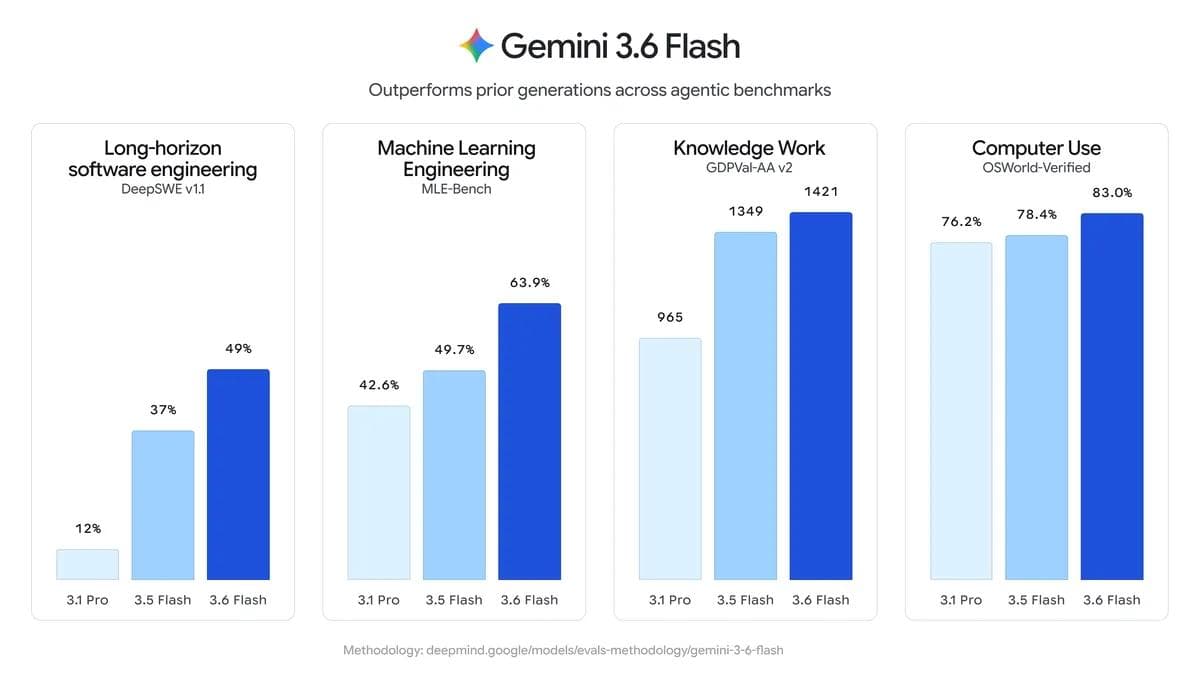
Gemini 3.6 Flash vs Gemini 3.5 Flash Lite: Which Should You Use?
Compare Gemini 3.6 Flash and Gemini 3.5 Flash Lite on benchmarks, speed, pricing, context, coding, research, and high-volume work.
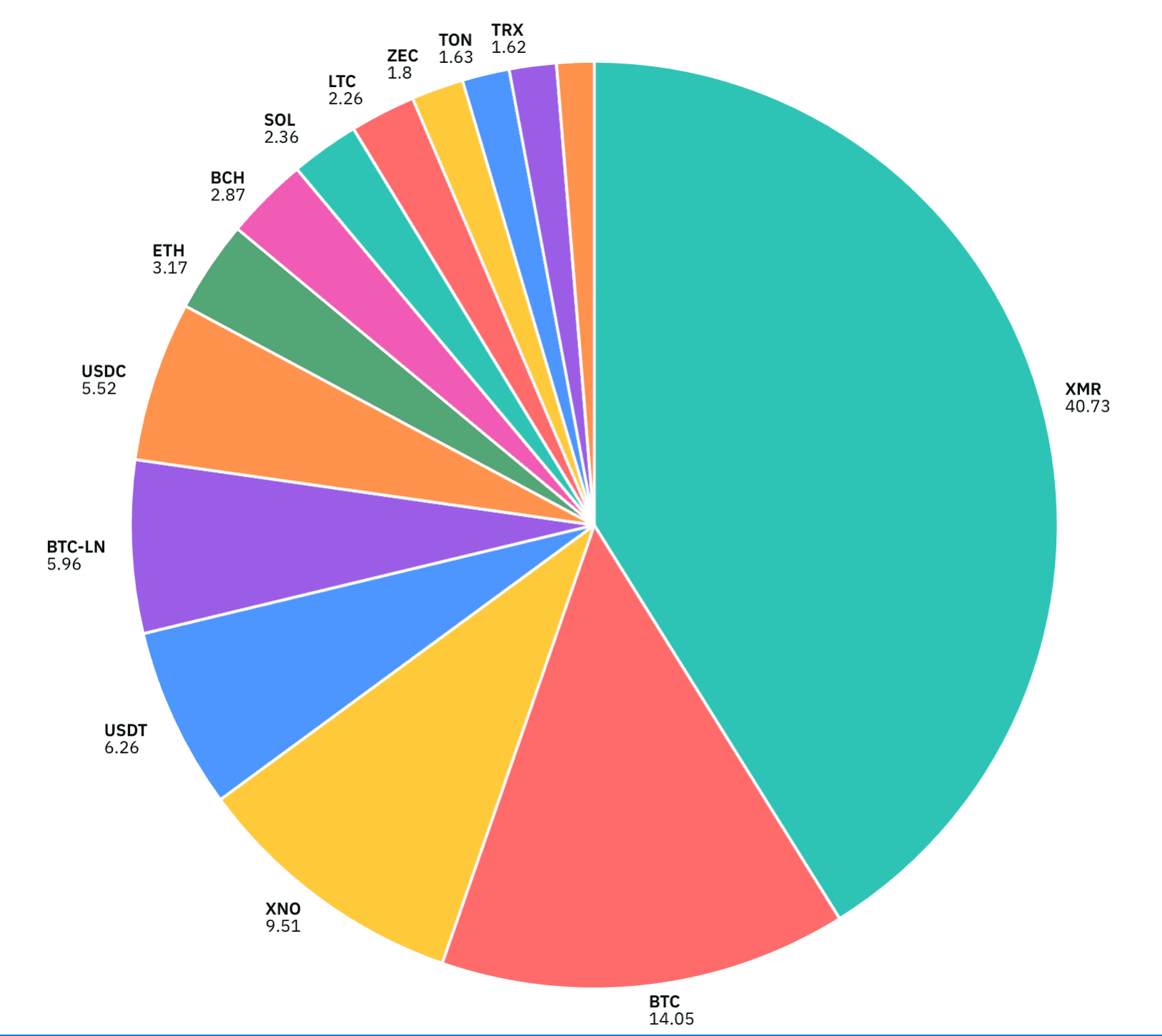
2026 Mid-Year Crypto Payment Statistics: Monero Still Leads, Bitcoin Rails Grow, Stablecoins Broaden
NanoGPT's first-half 2026 crypto payment data across XMR, XNO, BTC, Lightning, USDC, USDT, LTC, ZEC, ETH, SOL, TON, and more.

Shipped in June: Private Mode, OAuth, GLM 5.2, Media Tools, and More
A complete roundup of what NanoGPT shipped in June 2026, including Private Mode improvements, Sign in with NanoGPT, Batch API expansion, new models, media tools, payment updates, privacy controls, and community projects.

The open-weight models worth trying on NanoGPT right now
DeepSeek V4 Flash, GLM 5.2, MiniMax M3, and Nemotron 3 Ultra show why open-weight models now deserve first-round testing for coding, long-context work, agents, and enterprise workflows on NanoGPT.
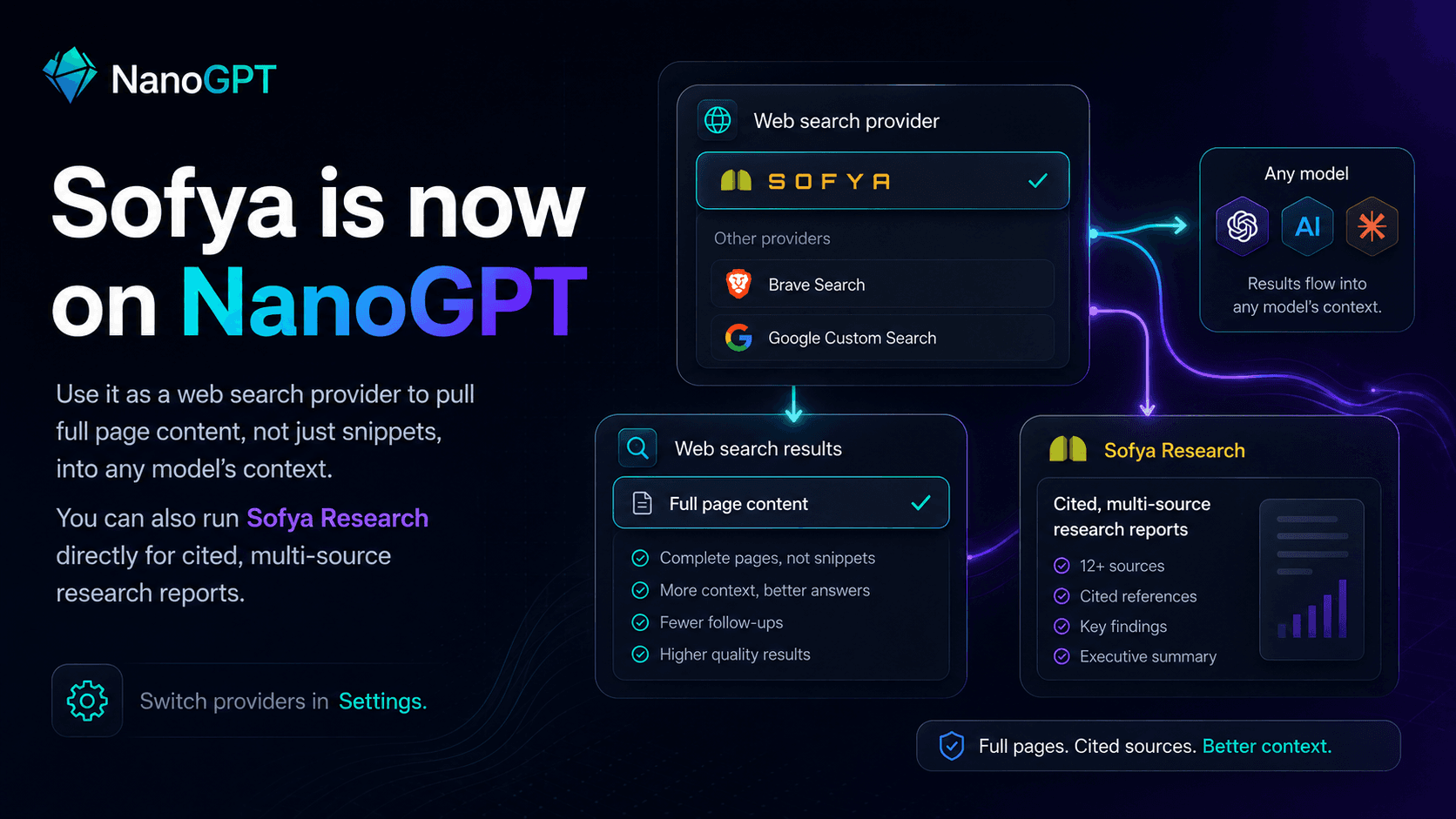
Sofya is now on NanoGPT: search, fetch, extract, and deep research
Sofya is now available on NanoGPT as a web search provider and as the Sofya Research model, bringing page-content search, URL fetching, AI extraction, and multi-source research into one workflow.