


Dynamic Load Balancing: Role of Round Robin Algorithms
Compare Round Robin, Weighted and Dynamic methods, their trade-offs, and the best use cases for web, cloud, and AI workload balancing.
Updates, guides, and insights
Showing
Compare Round Robin, Weighted and Dynamic methods, their trade-offs, and the best use cases for web, cloud, and AI workload balancing.

Compare Vanilla RNNs, LSTMs, and GRUs—memory, speed, parameter trade-offs and best use cases for short, medium, and long sequence tasks.

Compare five multi-GPU partitioning strategies—data, model, pipeline, sharded, and fully sharded—to balance memory, communication, and scalability.

Wider models win for throughput; deeper models win for reasoning — the right mix, not raw size, controls AI cost, latency, and performance.

Choose performance and scalability or simplicity when parsing API JSON in Java—streaming, memory, and framework integration determine the best fit.

AI style transfer fuses one image’s structure with another’s textures to create photorealistic or artistic results using CNNs, GANs, and diffusion models.

Step-by-step guide to estimating AI image API expenses — per-image vs token pricing, subscriptions, batch savings, hidden fees, and example cost calculations.

One AI model uses significantly less energy and emissions per query by leveraging custom accelerators and highly efficient data centers.

Overview of multidimensional frameworks for evaluating AI text quality — from error-weighted scoring to prompt-based and ethics-focused assessments.
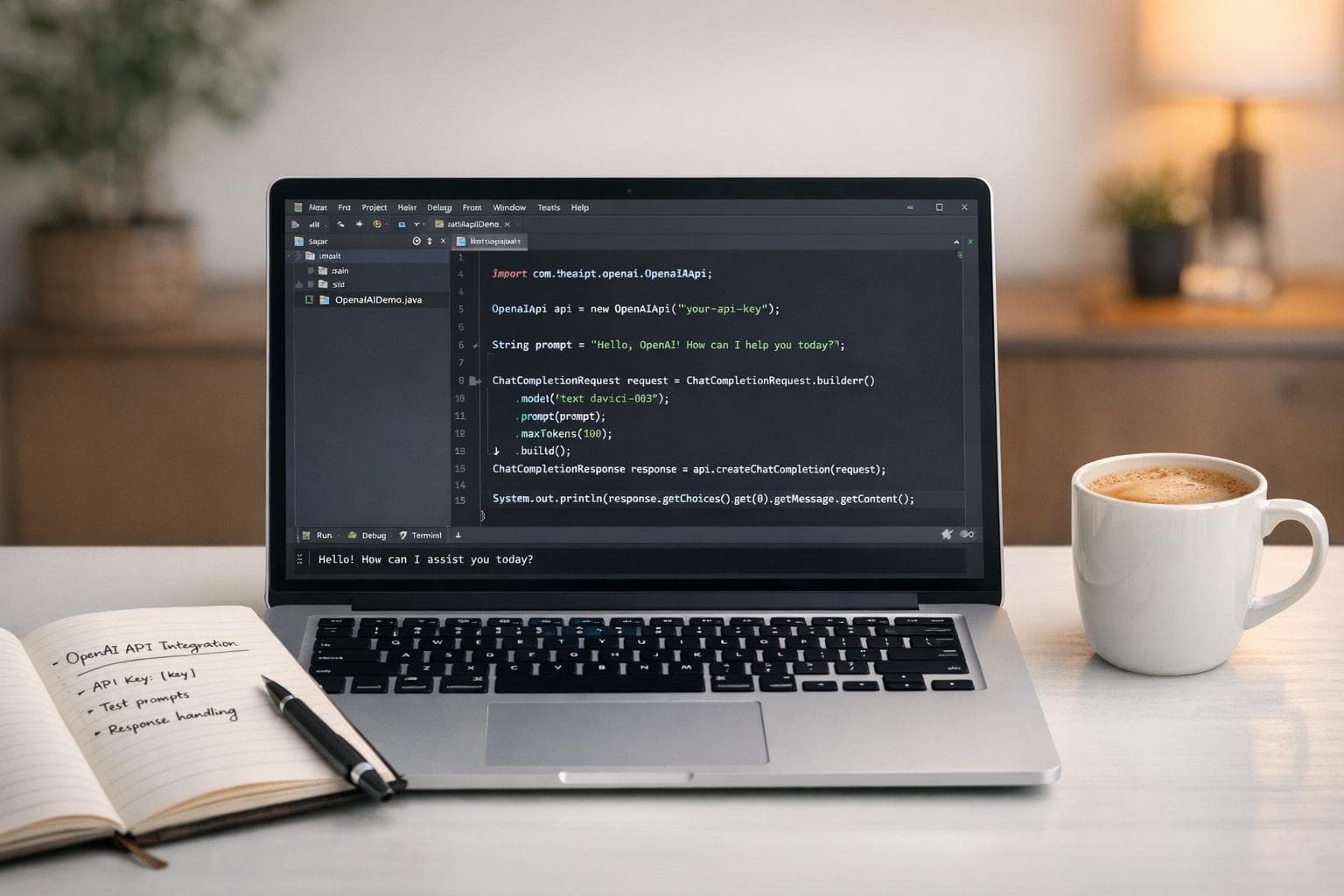
Step-by-step Java integration with the OpenAI API: setup, secure auth, Responses API examples, streaming, error handling, image generation, and cost tips.